14 Oct 2026
Tracing Fan Loyalty Programs from Stadium Seats to Digital Gaming Tables
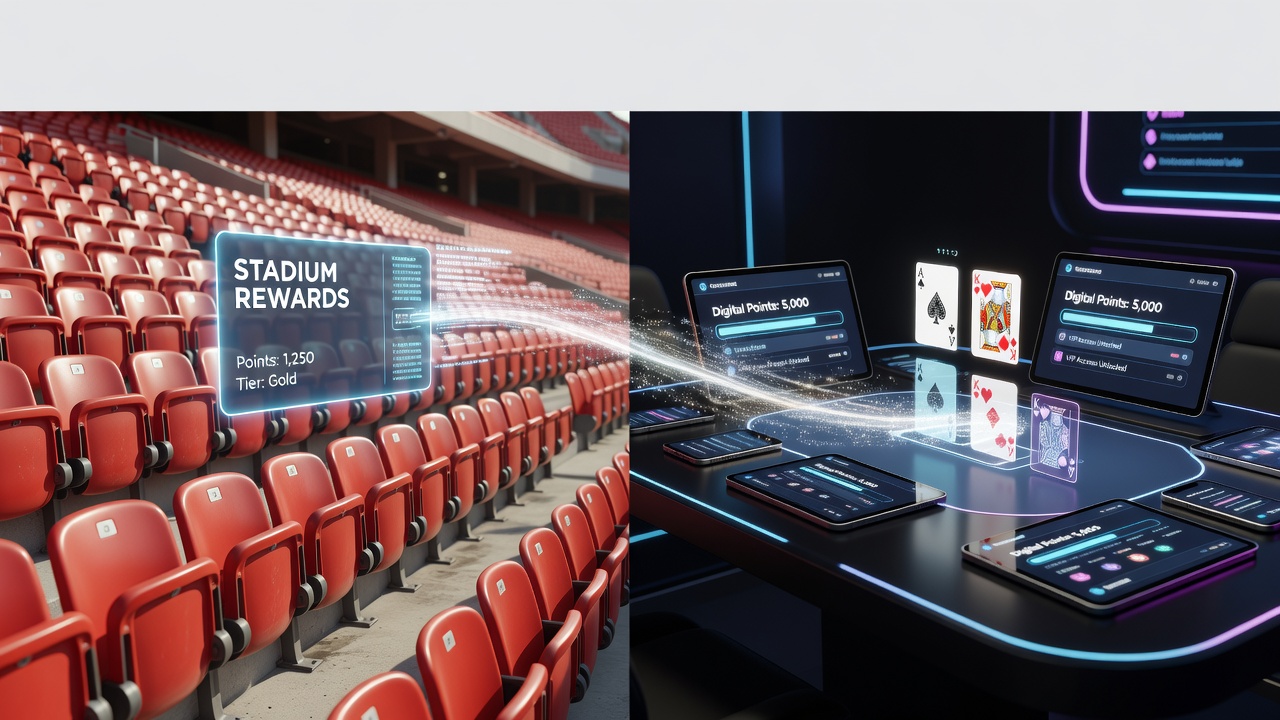
Stadium loyalty programs began with simple punch cards and season ticket perks that rewarded repeat attendance, and these systems expanded over decades to include merchandise discounts along with priority seating access. Observers note that early versions focused on physical interactions where fans presented tickets at concession stands to earn points redeemable for team apparel or autographed items. Data from industry reports shows participation rates climbed steadily through the 1990s and early 2000s as sports organizations tracked attendance through barcode scanners installed at turnstiles.
Early Stadium Systems and Physical Rewards
Teams collected basic data on fan visits through paper forms and later through magnetic stripe cards that granted access to exclusive events, and these methods created direct connections between supporters and their clubs. Researchers have documented how clubs in North American leagues integrated loyalty tiers based on cumulative game attendance which unlocked benefits like parking privileges or pre-game meet-and-greets. Such structures encouraged consistent engagement while generating measurable attendance figures that helped organizations plan marketing campaigns around peak participation periods.
European clubs adopted similar models with scarf giveaways and membership badges that doubled as entry to fan zones, while Australian leagues emphasized merchandise bundles tied to membership renewals. Figures reveal that by the mid-2010s many programs had migrated basic tracking functions to smartphone apps that scanned digital tickets at gates yet still emphasized in-person redemptions at stadium kiosks.
Digital Transition and App Integration
Mobile technology accelerated the shift when clubs launched apps that converted physical points into digital wallets usable across team stores and partner vendors, and this change allowed supporters to monitor balances in real time without carrying separate cards. Studies indicate that push notifications about upcoming matches and bonus point opportunities increased daily app opens among active members. Integration with payment systems further streamlined purchases at concessions where points applied automatically at checkout terminals.
What's interesting is how data analytics enabled personalization so that fans received tailored offers based on past attendance patterns and spending habits recorded through the same platforms. As of October 2026 several major leagues report that over seventy percent of loyalty members now interact primarily through mobile interfaces rather than physical cards at stadium entrances.
Expansion into Online Gaming Platforms
Loyalty frameworks extended beyond stadium walls when sports organizations partnered with digital gaming operators to transfer points earned at live events directly into online casino accounts and betting wallets. This linkage created unified reward ecosystems where stadium attendance generated credits applicable at virtual tables featuring roulette or blackjack themed around team colors. Industry data shows such crossovers boosted engagement metrics because supporters could accumulate value whether watching matches in person or participating remotely through licensed platforms.
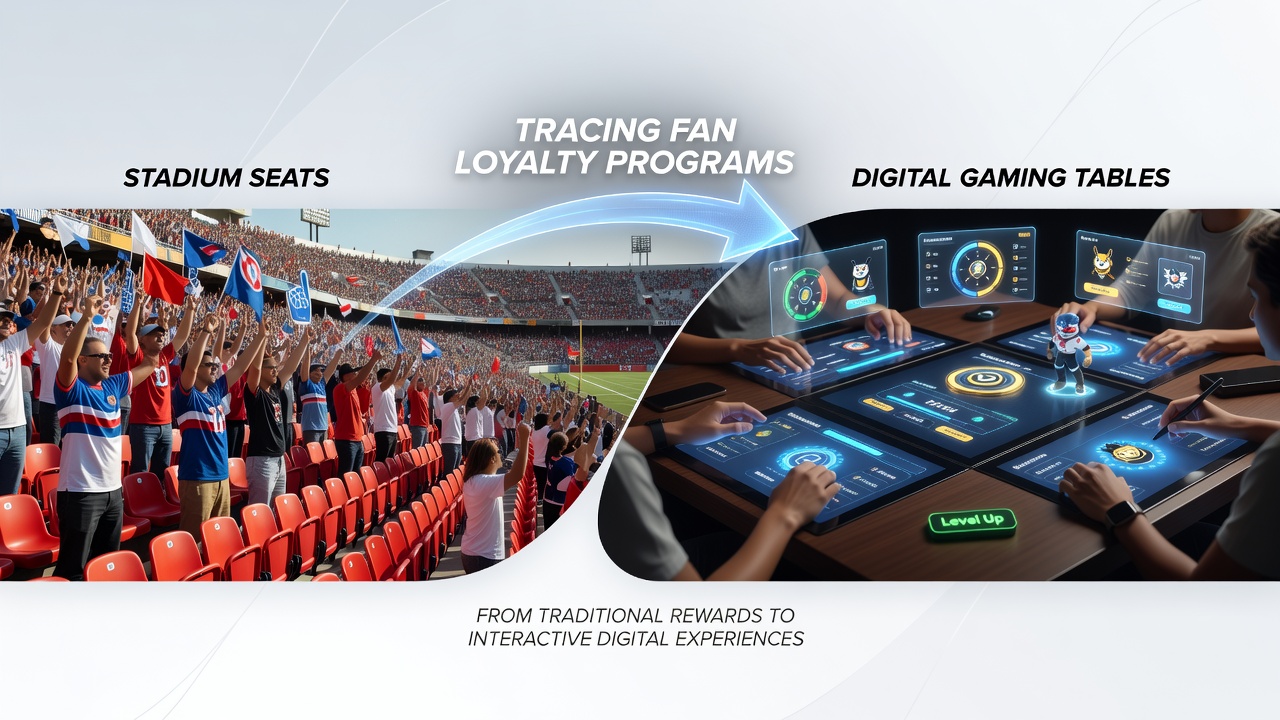
Regulatory frameworks in various regions facilitated these developments with oversight from bodies such as the American Gaming Association tracking compliance around point transfers and player protections. Similar structures operate under Canadian provincial authorities that monitor integration between live sports venues and remote gaming services. Points earned through consistent stadium visits now convert into entry credits for digital tournaments or multiplier bonuses during live event streams synchronized with match schedules.
Current Mechanisms and Data Tracking
Modern systems employ blockchain elements in select programs to verify point authenticity across stadium and digital environments which reduces fraud while maintaining transparent ledgers of reward movements. Observers note that real-time synchronization allows points accumulated during a live game to appear instantly in a user's gaming profile once they log into partnered platforms. Research from academic sources including reports issued by institutions in Australia highlights measurable increases in overall participation when loyalty bridges physical and virtual experiences seamlessly.
Operators segment users according to combined activity levels so that high-frequency stadium attendees receive enhanced multipliers when they transition to digital gaming tables on the same evening. These layered incentives rely on secure data sharing agreements that comply with privacy standards across multiple jurisdictions. Evidence suggests continued growth in hybrid models as more organizations adopt unified dashboards that display both stadium visit histories and online session summaries side by side.
Conclusion
The progression from stadium punch cards to integrated digital gaming rewards illustrates how loyalty programs adapted to technological capabilities while preserving core objectives of sustained engagement. Points now flow across environments because infrastructure supports seamless transfers that benefit both organizations and participants through expanded utility. Continued evolution depends on regulatory alignment and data security measures that keep pace with expanding digital offerings.