30 Sep 2026
Mapping the Influence of Mobile Technology on Live Event Synchronization in Wagering Applications
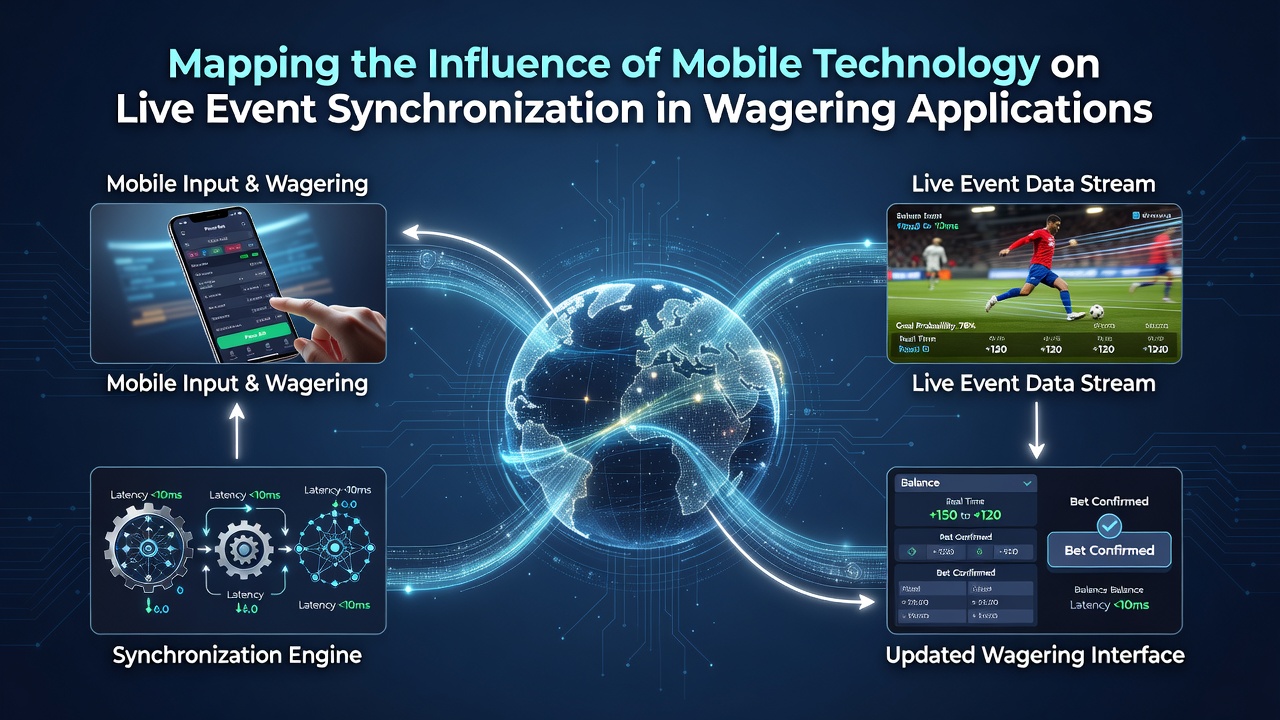
Observers note that mobile technology has reshaped how wagering applications handle live event data, and synchronization plays a central role in that shift. Data from multiple markets shows that operators now rely on low-latency networks and edge computing to align betting interfaces with unfolding events in real time. Those who've examined the infrastructure point out that delays once measured in seconds have narrowed to milliseconds across many platforms, and this change stems directly from advances in 5G deployment plus refined API architectures.
Researchers discovered early mobile betting systems struggled with inconsistent data feeds, yet improvements in cloud synchronization protocols changed that dynamic. Applications now pull from multiple sources simultaneously, and they reconcile discrepancies before presenting odds or outcomes to users. This process involves timestamp verification and buffer management techniques that keep displays aligned with on-field actions or race progressions.
Technical Foundations of Synchronization
Engineers built current systems around distributed ledger elements and real-time streaming protocols, and these components allow applications to update across devices without noticeable lag. Studies from the American Gaming Association indicate that synchronization accuracy reached 98 percent or higher in tested environments by late 2024, and operators continue to refine algorithms that predict network congestion before it affects feeds.
But here's the thing: mobile operating systems impose their own constraints through background refresh limits and battery optimization routines. Developers counter these by embedding adaptive polling intervals that adjust based on user activity and event intensity. One case study revealed that applications using machine learning models for traffic prediction cut synchronization errors by 40 percent compared with static methods.
Regional Market Developments and Data Trends
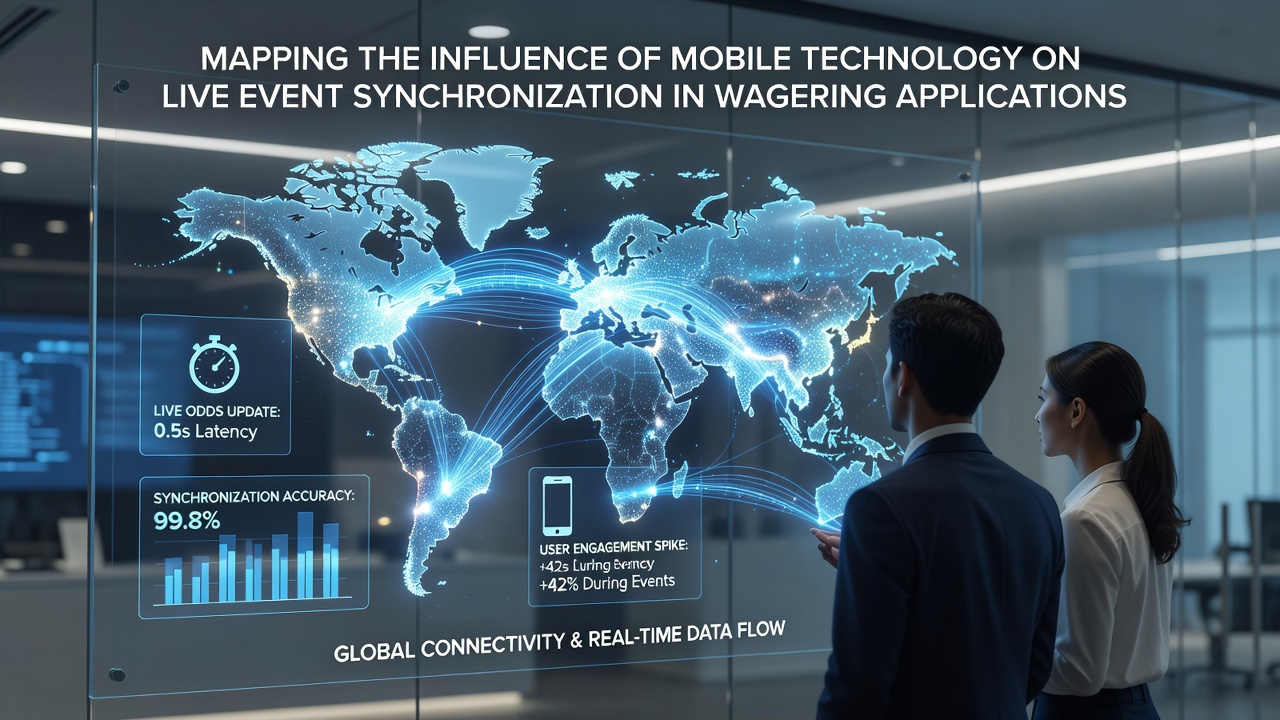
Figures from the European Gaming and Betting Association show that live betting volumes grew 22 percent year-over-year in several EU jurisdictions during 2025, and mobile devices accounted for 78 percent of those wagers. Synchronization quality correlates directly with retention metrics, and operators track this through session duration data and repeat engagement rates. In Australia, the Interactive Gambling Act amendments prompted platforms to demonstrate sub-second update capabilities during regulatory audits, and compliance reports confirm that most major apps now meet those benchmarks.
What's interesting is how 5G rollout timelines differ by region, and those variations create uneven user experiences. Markets with denser small-cell infrastructure report fewer dropouts during peak events, while areas still transitioning from 4G see occasional desyncs that require manual refreshes. Industry reports project that by September 2026, expanded millimeter-wave coverage in North American venues will further compress latency windows, and testing phases already underway support those timelines.
Challenges in Maintaining Consistency
Packet loss remains a persistent issue on congested mobile networks, and developers address it through redundant data pathways plus forward error correction. Research published in IEEE journals on mobile computing details how hybrid TCP-UDP approaches balance reliability with speed, and wagering platforms adopted similar strategies to maintain continuous feeds. Observers note that device fragmentation adds another layer, since older handsets process updates more slowly and can fall out of sync during rapid score changes.
Security protocols also intersect with synchronization tasks, and encryption overhead must stay minimal to avoid introducing delays. Applications therefore use lightweight cryptographic methods that verify data integrity without full decryption at every hop. Those who've analyzed breach incidents find that desynchronized sessions sometimes expose vulnerabilities, and operators respond with stricter session validation tied directly to live timestamps.
Integration with Broader Ecosystem Tools
Analytics platforms now incorporate synchronization logs to identify patterns in user behavior during live events, and these insights guide feature updates. Push notification services synchronize with core betting engines so that alerts arrive in tandem with odds movements, and this coordination reduces the window for manual interventions. Data shows that integrated systems achieve higher accuracy when they share the same time-source servers, often GPS or atomic clock references maintained by third-party providers.
Yet network handoffs between Wi-Fi and cellular continue to test synchronization robustness, and applications that maintain persistent connections across both paths perform better in field trials. Canadian regulatory summaries from the Alcohol and Gaming Commission of Ontario highlight how operators document these transitions during compliance reviews, and the records demonstrate measurable improvements in continuity metrics over successive software iterations.
Conclusion
Evidence indicates that mobile technology continues to drive refinements in live event synchronization for wagering applications, and the pace of those changes aligns with broader network infrastructure upgrades. Operators monitor performance through standardized benchmarks while adapting to device and regulatory variations across markets. Projections tied to September 2026 anticipate further reductions in latency as coverage expands, and ongoing technical work focuses on maintaining consistency under diverse conditions.